Dry kibble line
Best for scalable dog and cat food supply with strong formulation and coating control.
Key equipmentGrinding, batching, mixer, conditioner, extruder, dryer, coater, cooler, packing.
Dry dog food, dry cat food, freeze dried, and treats factory planning based on Xinji Pet Food production experience.
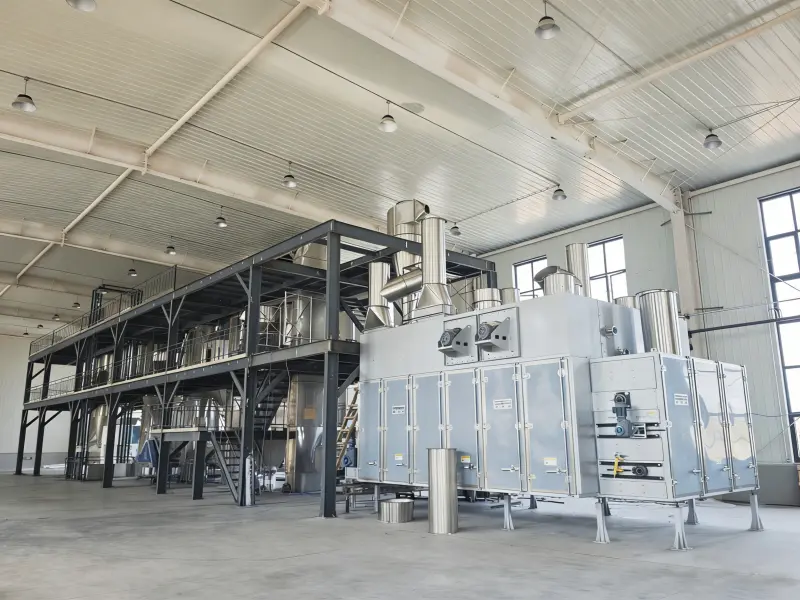
Best for scalable dog and cat food supply with strong formulation and coating control.
Key equipmentGrinding, batching, mixer, conditioner, extruder, dryer, coater, cooler, packing.
Best for premium treats and high-value protein products with strict cold-chain planning.
Key equipmentPreparation, freezing, freeze dryer, metal detection, weighing, nitrogen or sealed packing.
Best for brand differentiation, OEM orders, and lower-volume product variety.
Key equipmentMixer, forming or extrusion, oven/dryer, cooling, cutting, packing.
Reduces grains and protein ingredients to the particle range required for stable mixing and extrusion.
Builds a uniform dry mix before conditioning, with mixer type selected around batch size and formula variation.
Controls cooking, shaping, expansion, and density across different kibble formulas and die sizes.
Removes moisture evenly after extrusion while protecting throughput, kibble structure, and shelf stability.
Applies fats, palatants, or functional coatings at a controlled ratio after drying.
Brings coated product close to ambient temperature before storage or packing to reduce condensation risk.
Weighs and seals finished kibble into the required retail or bulk formats with changeover planning.
A project layout should be prepared after country, material, capacity, building size, utility, and land constraints are confirmed.