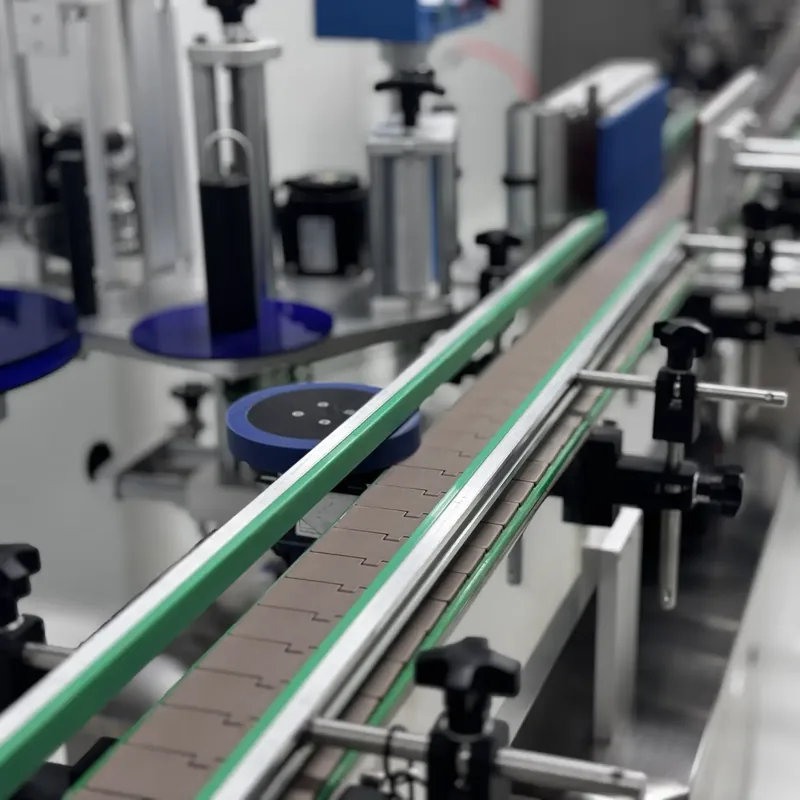
Start with dosage form, not machines
Pet supplement factories can produce soft chews, tablets, powders, pastes, or liquids, but each dosage form needs a different process route. Soft chews require controlled mixing and forming. Powders depend on blending uniformity and dust control. Tablets need compression, counting, and bottle packing logic.
The Pet Supplement Factory System page is the better starting point before machine selection because room control, batching, inspection, and packaging must be planned together.
Batch control and weighing records
Supplement production usually has stricter expectations around active ingredient handling, weighing accuracy, traceability, and batch documentation. The weighing area, premix process, blending sequence, operator checks, and retention sample process should be designed before the equipment list is finalized.
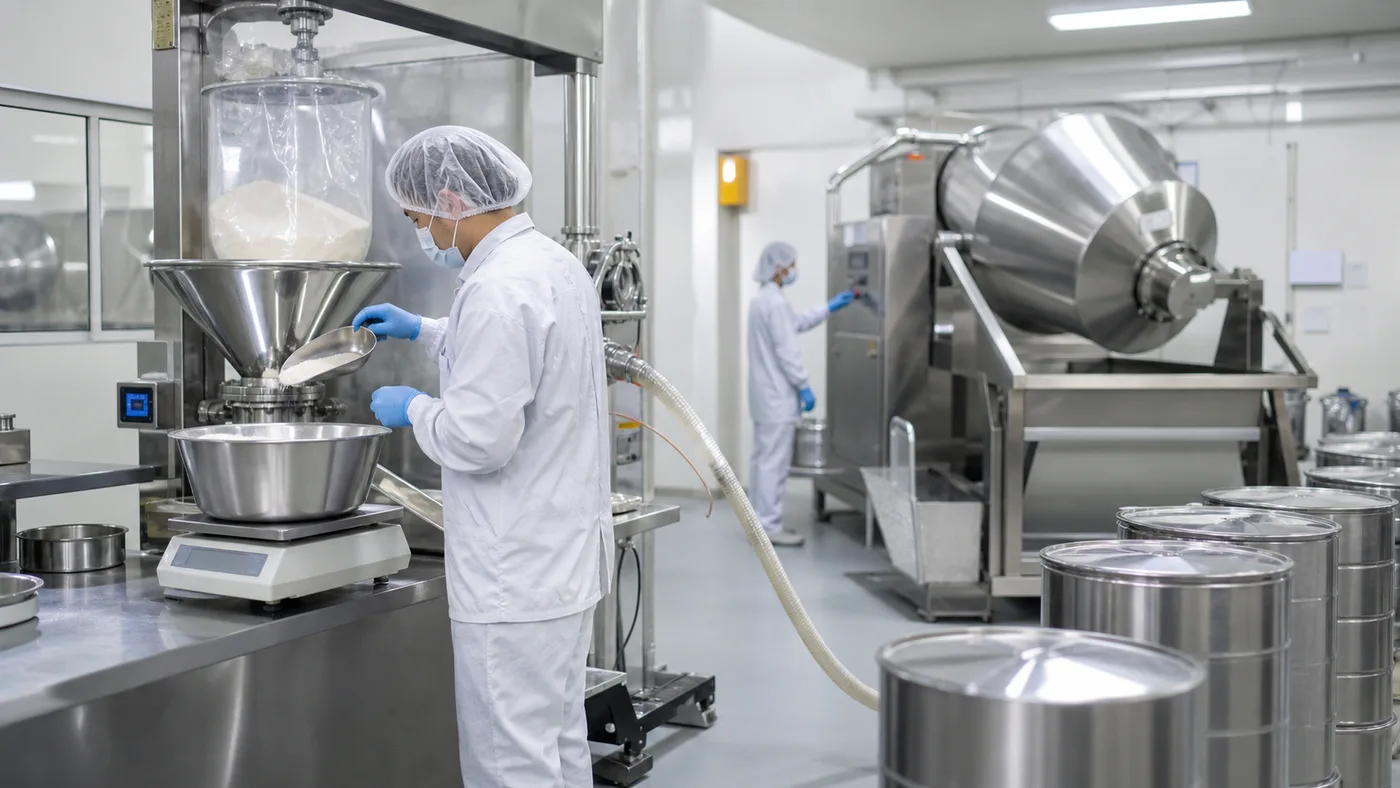
Room conditions and clean workflow
A GMP-oriented supplement workshop may need cleanable surfaces, controlled temperature or humidity, separated material and personnel movement, cleaning records, and clear batch status control. The required level depends on product claims, ingredients, target market, and customer expectations.
For a verified operating reference, the Xinji Pet Food factory base page shows the manufacturing and GMP workshop background behind the planning logic.
Packing route and inspection
Packing can involve pouches, jars, bottles, sachets, cartons, or mixed retail formats. Counting, weighing, coding, metal detection, label control, and final inspection should match the sales channel and regulatory expectation. The pet supplement line equipment page gives a practical view of these package boundaries.
What to prepare before discussion
Prepare dosage form, active ingredient sensitivity, batch size, daily output target, package format, room condition expectation, cleaning needs, and documentation requirements. These details help define whether the project needs a compact starter workshop or a more controlled supplement production site.
Classify ingredients before fixing the room plan
Pet supplement ingredients can differ in dose level, dust behavior, odor, moisture sensitivity and cleaning difficulty. The project team should identify low-dose actives, carriers, flavors, oils and allergens before selecting weighing rooms, transfer methods, dust control and storage conditions. This determines which materials can share equipment and which require additional controls.
Design dispensing and blending around batch accuracy
Minor ingredient weighing should use identified containers, calibrated scales and documented checks. The blending sequence, fill level, mixing time and discharge method should be established for each dosage form. Powder segregation, material left in transfer hoses and residues around charging points should be considered during trials.
Room conditions depend on dosage form
Powders may need humidity and dust control, tablets may require granulation or dedusting, and soft chews require attention to texture, curing and water activity. The factory should not use one generic room specification for all products. Environmental control, cleaning method and hold time should follow the actual formula and process risk.
Release records connect production and packing
Batch records should identify ingredients, weighing checks, equipment, processing times, in-process inspections, pack coding, retained samples and release responsibility. Counting, filling, seal checks and label reconciliation must match the chosen bottle, jar, pouch or sachet format.
Review the related factory system
Compare the production route, equipment package, layout assumptions, capacity target, and operating requirements before confirming a factory plan.