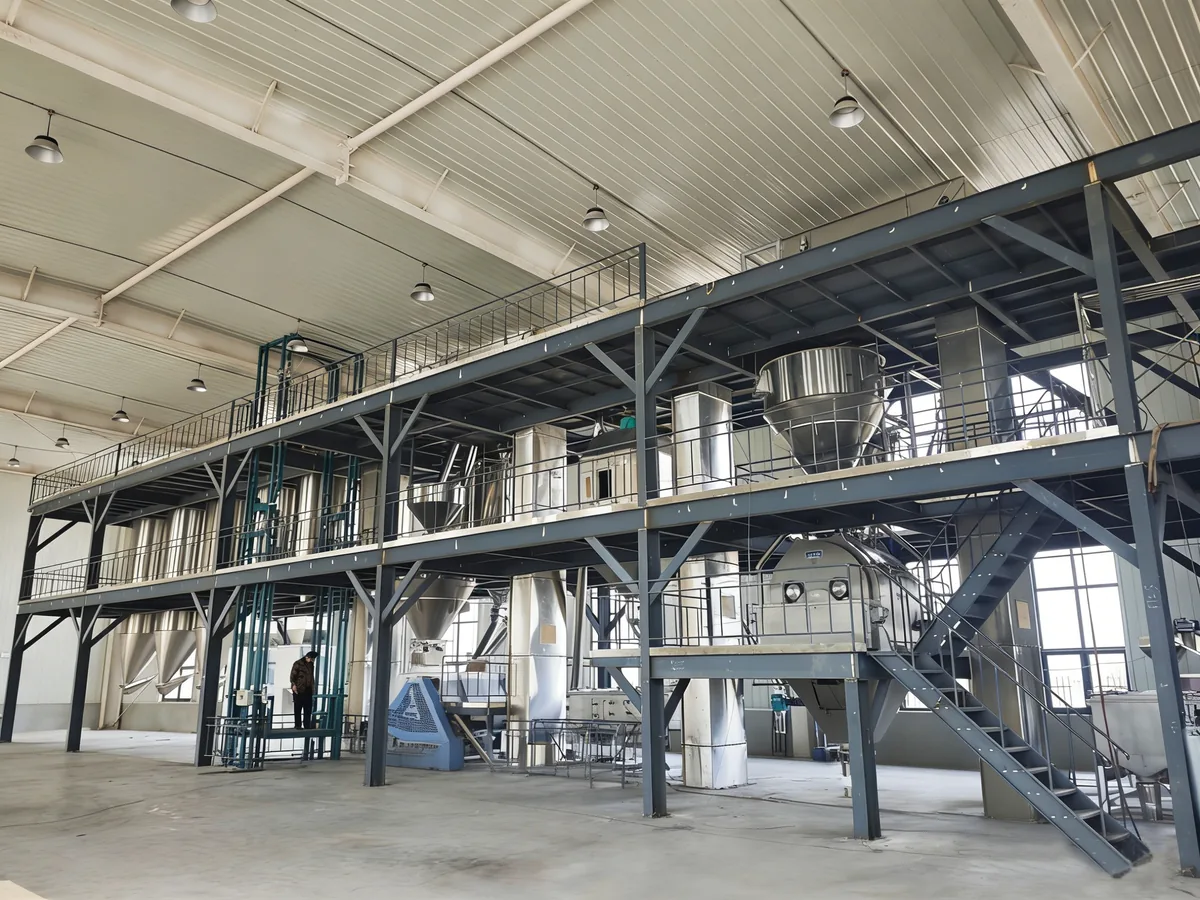
What the budget should include
A pet food plant budget should not be read as an equipment price list. The useful planning number separates process equipment, utility interfaces, installation support, building preparation, operators, quality control, packaging format, and launch ramp-up.
For a dry kibble project, the equipment scope normally starts with grinding, batching, mixing, preconditioning, extrusion, drying, coating, cooling, and packing. The final scope should be checked against the product route described in the Pet Food Factory System page before any budget is treated as final.
CAPEX items that change quickly
The largest cost movement usually comes from output target, dryer capacity, automation level, weighing accuracy, packaging speed, dust control, and local utility conditions. A line designed for one or two simple SKUs is very different from an OEM-oriented factory that must run multiple formulas and pack sizes.
Before comparing quotations, define annual output, hourly output, formula range, kibble size, pack size, required operators, and the building condition. These details decide whether the factory should start with a compact semi-automatic line or a more controlled production system.
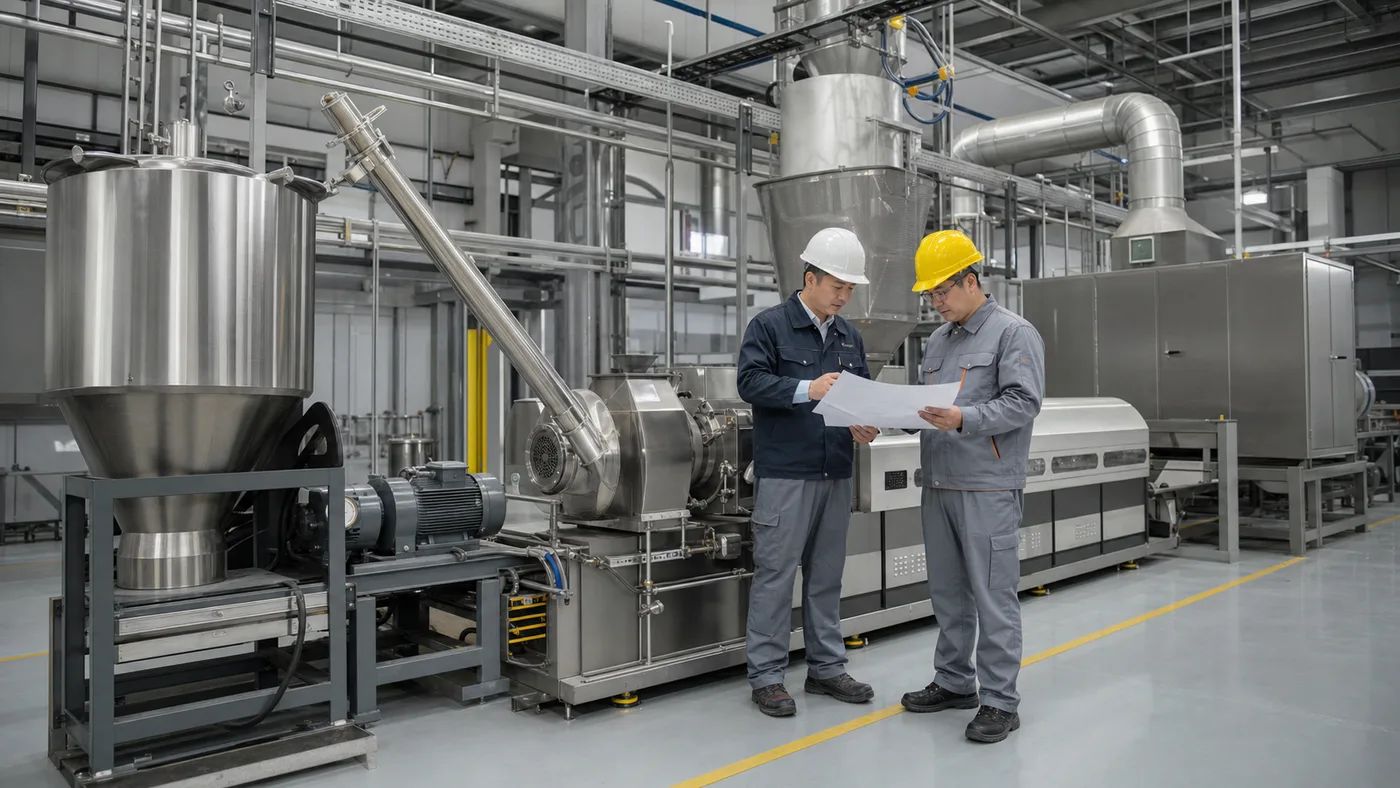
OPEX and ramp-up assumptions
Operating cost depends on formula cost, energy for steam and drying, packaging material, labor, maintenance, quality testing, and yield during trial production. Early months should be planned with conservative utilization because operators, recipes, dryer settings, coating rate, and packing rhythm all need stabilization.
The factory setup process is useful here because it forces the project team to check market route, product strategy, equipment selection, raw material supply, plant design, and launch schedule together instead of treating cost as a single number.
Equipment package comparison
Two quotations can look similar while covering different responsibilities. One may include only core machines, while another includes conveyors, platforms, air systems, packing equipment, control cabinets, installation support, and commissioning. Always compare what is included, what is excluded, and what must be prepared locally.
For a practical machine-level view, compare the dry kibble line equipment package with your target product and building constraints.
Information to prepare before discussion
A serious cost discussion should start with target country, product category, annual capacity, first SKU plan, raw material assumptions, pack size, building size, utility conditions, and desired launch date. With these inputs, the budget can be framed as a buildable project scope rather than a rough equipment number.
Separate imported equipment from locally prepared scope
A useful project budget separates the machinery package from local civil works and services. Imported scope may include process machines, conveyors, platforms, control cabinets, packing equipment, installation supervision and commissioning support. Local scope can include foundations, steelwork, cable installation, steam generation, compressed air, water, drainage, ventilation, fire protection, warehouse preparation and permits. A low machine quotation can therefore produce a high final project cost when these interfaces are not defined.
Include startup inventory and working capital
Commercial launch requires more than installed machinery. The factory needs ingredients, palatants, fats, packaging film or bags, labels, laboratory supplies, cleaning tools, spare parts and operator training materials before the first saleable batch. Trial production also creates yield loss while formulas, dryer settings, coating ratios and pack weights are stabilized. Working capital should cover this ramp-up period instead of assuming the line reaches full utilization immediately.
Compare quotations by boundary and responsibility
Each quotation should state throughput assumptions, included machines, auxiliary equipment, control level, material of construction, utilities at battery limits, installation responsibility, acceptance tests, spare parts, documentation and warranty conditions. Two proposals with similar totals may not cover the same responsibilities. The project team should compare the complete boundary rather than only the extruder or dryer price.
Prepare the data that changes budget accuracy
Before requesting a project scope, define product type, expected formulas, hourly and annual output, operating shifts, pack sizes, available building dimensions, utility conditions, automation target and launch market. These inputs allow equipment, utility and building assumptions to be reviewed together.
Review the related factory system
Compare the production route, equipment package, layout assumptions, capacity target, and operating requirements before confirming a factory plan.